Centre des monuments nationaux

Main menu

Monuments placed under the responsibility of the Centre des Monuments Nationaux for opening to the public

  • A
  • B
  • C
  • D
  • E
  • F
  • G
  • H
  • I
  • J
  • K
  • L
  • M
  • N
  • O
  • P
  • Q
  • R
  • S
  • T
  • U
  • V
  • W
  • X
  • Y
  • Z
 
accessi_vous_etes_ici Home  >  Monuments  >  Château de Talcy
Château de TalcyChâteau de Talcy

print_this_page

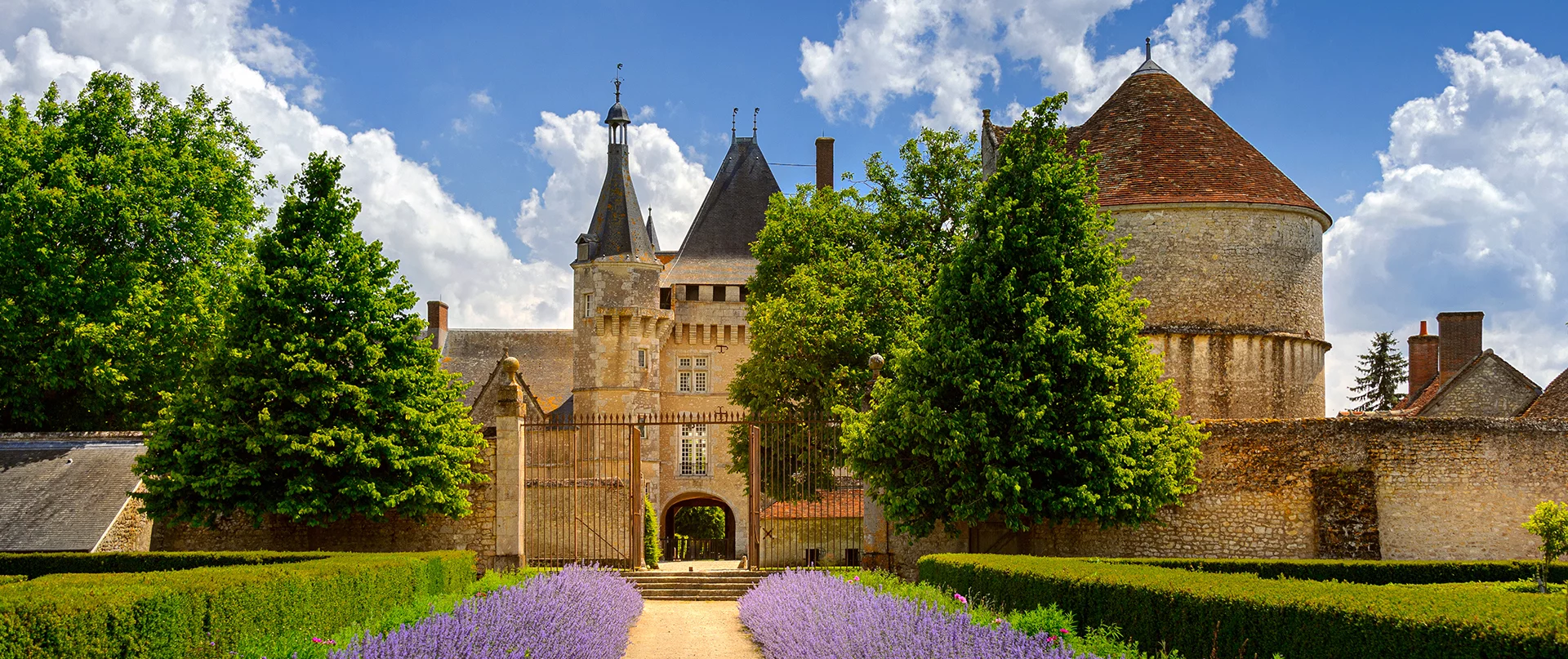
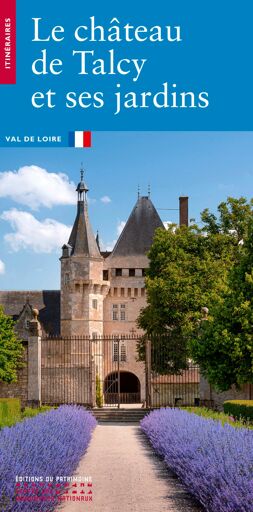
The slender roofs of Talcy château rise up out of the arable plains of the petite Beauce area 25km from Blois. Come and visit this 16th-century farming château whose history has been marked by poets, and admire the original 18th-century decorations together with the conservatory orchard.

Visiting Talcy château 

• Talcy, or the joys of country living. This seigniorial dwelling, though built at the same period as the great Renaissance châteaux of the Loire valley, is unaffected by the Italianate style. It is also exceptional in that the interior decoration, with its furniture and Gothic tapestries, has been left untouched. There is also a well in the courtyard, an old vegetable garden, and the outbuildings are still intact, complete with a press and dovecot.

• The conservatory orchard. Old varieties of apples and pears are grown here. A permanent musical installation is dotted here and there around the estate, lending the visit a musical and poetic touch.

Understanding Talcy château 

• A poetic château. Cassandre, the daughter of the first owner, was the inspiration for Ronsard's famous ‘Mignonne, allons voir si la rose...', whilst her niece Diane was the muse of the young Agrippa d'Aubigné. One of the direct descendants of Cassandre's daughter was Alfred de Musset. One of the last owners, Albert Stapfer, was the first French translator of the German poet Goethe. 

• The Talcy conference. The Catherine de Médicis and Charles IX rooms were where the Talcy conference took place in 1562, the last meeting between Catholics and Protestants.


Bottom menu